Senior Fitness Classes: Benefits, Costs, Program Types & How to Choose the Right Option
Explore senior fitness classes designed for older adults. Learn about program types, benefits, costs, and how to select the right option for your health goals and lifestyle.
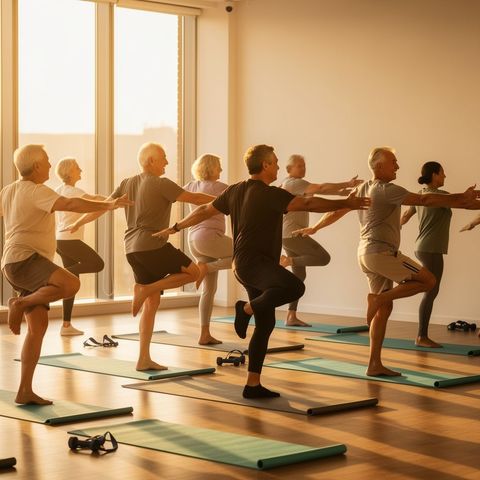
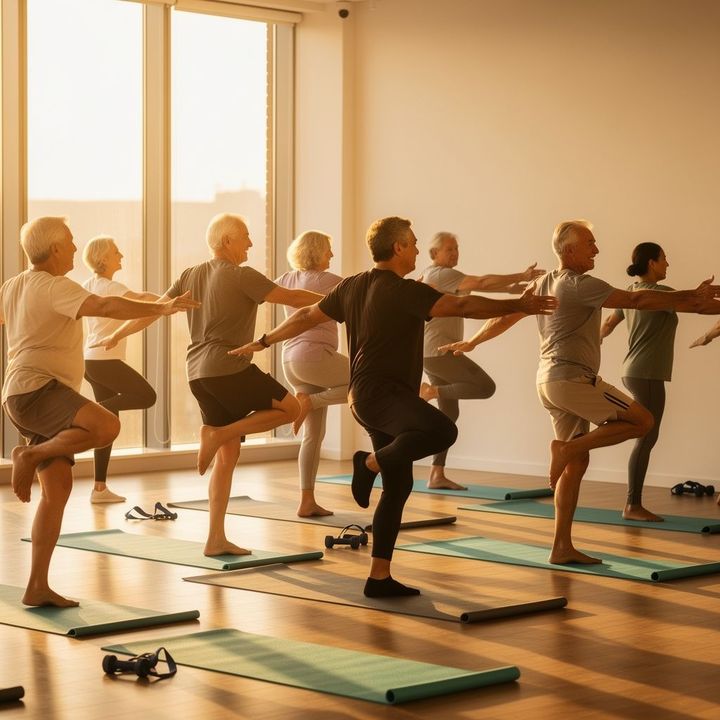
Senior fitness classes have become increasingly popular as older adults recognize the importance of staying active and maintaining physical health. These specialized programs are designed with the unique needs of seniors in mind, offering modified exercises that build strength, improve balance, and enhance overall wellness. Whether you're looking to maintain independence, recover from an injury, or simply enjoy the social benefits of group exercise, understanding your options is the first step toward finding the right program.Understanding the Benefits of Senior Fitness Classes
Regular participation in senior fitness classes offers numerous physical and mental health advantages. These programs help improve cardiovascular health, increase muscle strength, and enhance flexibility—all critical factors for maintaining independence as we age. Beyond the physical benefits, group fitness classes provide valuable social interaction, reducing feelings of isolation and loneliness that can affect older adults.
Senior fitness classes also focus heavily on balance and fall prevention, which is crucial since falls are a leading cause of injury in older populations. Many programs incorporate functional movements that translate directly to daily activities like climbing stairs, reaching for items, and maintaining stability during routine tasks. Additionally, participating in structured exercise can help manage chronic conditions such as arthritis, diabetes, and heart disease, often reducing the need for certain medications when combined with medical supervision.
The mental health benefits are equally important. Regular exercise has been shown to improve mood, reduce anxiety and depression, and enhance cognitive function. The supportive community environment of group classes can also boost motivation and accountability, making it easier to maintain consistency with your fitness routine.
Common Limitations to Consider
While senior fitness classes offer many benefits, there are some limitations worth considering. Not all classes are suitable for every fitness level or health condition. Some seniors may have mobility restrictions, joint problems, or other health concerns that require specialized modifications. It's essential to consult with your healthcare provider before starting any new exercise program, particularly if you have existing health conditions.
Cost can also be a barrier for some seniors, as class fees and membership expenses vary widely. Additionally, finding a conveniently located class that fits your schedule may require some research and flexibility. Some older adults may feel self-conscious exercising in a group setting, though many programs specifically address this concern by creating welcoming, age-appropriate environments.
Types of Senior Fitness Programs
The variety of senior fitness classes available ensures that most older adults can find a program matching their interests and abilities. Understanding the different types helps narrow your search:
Low-Impact Aerobics
These classes focus on cardiovascular health without putting excessive stress on joints. Movements are performed with at least one foot on the ground, reducing impact while still elevating heart rate and improving endurance. Low-impact aerobics are ideal for seniors with arthritis or joint concerns.
Water-Based Exercise
Aquatic classes use water's buoyancy to reduce stress on joints while providing natural resistance. Water aerobics, aqua jogging, and swimming classes are excellent for improving cardiovascular fitness and building strength with minimal joint strain. The warm water also helps relax muscles and improve circulation.
Yoga and Flexibility Programs
Senior yoga classes emphasize gentle stretching, balance, and breathing techniques. These programs improve flexibility, reduce muscle tension, and promote relaxation. Chair yoga is particularly popular among seniors with limited mobility, allowing participants to perform poses while seated or using a chair for support.
Strength Training Classes
Designed specifically for older adults, these classes use light weights, resistance bands, or bodyweight exercises to build and maintain muscle mass. Maintaining strength is crucial for independence and fall prevention. Classes are typically modified to accommodate different fitness levels and abilities.
Balance and Fall Prevention Classes
These specialized programs focus on improving stability and coordination through targeted exercises. Tai Chi and similar practices are particularly effective for enhancing balance while also providing meditative benefits and stress reduction.
Dance-Based Classes
Gentle dance classes combine movement with music and social interaction. These programs improve coordination, balance, and cardiovascular health while providing enjoyment and community connection. Line dancing and ballroom dance classes are popular options.
Current Trends in Senior Fitness
The senior fitness industry continues to evolve with new approaches and technologies. Virtual and hybrid fitness classes have expanded access for seniors who may have mobility challenges or prefer exercising at home. Wearable fitness technology helps older adults track their progress and stay motivated. Additionally, there's growing recognition of the importance of functional fitness—exercises that directly support daily activities and independence.
Personalized fitness programs tailored to individual health conditions are becoming more common, with instructors receiving specialized training in senior fitness and age-related health concerns. Community-based programs and partnerships between fitness facilities and healthcare providers are also increasing, making fitness more accessible and integrated with overall health management.
Key Features to Look For
When evaluating senior fitness programs, several important features should influence your decision:
- Certified Instructors: Look for instructors with certifications in senior fitness or gerontology
- Small Class Sizes: Smaller classes allow for more personalized attention and modifications
- Flexible Scheduling: Multiple class times accommodate different schedules and energy levels
- Health Screening: Programs should assess your fitness level and health status before enrollment
- Accessible Facilities: Convenient location, parking, and accessible equipment are important considerations
- Community Atmosphere: A supportive, welcoming environment encourages participation and social connection
- Progress Tracking: Ability to monitor improvements and adjust goals over time
- Modifications Available: Classes should offer variations for different fitness levels and abilities
Comparing Senior Fitness Program Options
| Program Type | Primary Focus | Impact Level | Equipment Needed | Best For |
|---|---|---|---|---|
| Low-Impact Aerobics | Cardiovascular health | Low | Minimal | Heart health and endurance |
| Water-Based Exercise | Full-body fitness | Very low | Pool access | Joint problems and arthritis |
| Yoga | Flexibility and balance | Low | Mat and props | Flexibility and stress relief |
| Strength Training | Muscle and bone health | Moderate | Weights and bands | Independence and fall prevention |
| Balance Classes | Stability and coordination | Low | Minimal | Fall prevention |
| Dance-Based | Coordination and joy | Low-moderate | Minimal | Social engagement and fun |
How to Choose the Right Senior Fitness Class
Selecting the appropriate fitness program requires careful consideration of several factors. Start by assessing your current fitness level, health status, and specific goals. Are you looking to improve strength, flexibility, balance, or cardiovascular health? Do you have any existing health conditions or limitations that require modifications?
Consider your preferences regarding group dynamics and environment. Some seniors thrive in large, energetic classes, while others prefer smaller, quieter settings. Think about scheduling—do you prefer morning, afternoon, or evening classes? Is the location convenient to your home or other regular destinations?
Visit potential facilities and observe classes before committing. Talk with instructors about their qualifications and experience working with seniors. Ask about trial classes or introductory offers. Speaking with current participants can provide valuable insights into the program's quality and community atmosphere.
Evaluate the cost structure, including membership fees, class packages, and any additional expenses. Check whether your health insurance or Medicare covers any fitness programs—many do. Finally, start slowly and allow time to adjust to new activities. It's better to find a program you genuinely enjoy and will stick with than to choose based solely on price or convenience.
Practical Tips for Success
Once you've selected a senior fitness class, several strategies can help maximize your results and enjoyment:
- Start conservatively and gradually increase intensity as your fitness improves
- Communicate openly with instructors about any limitations or concerns
- Arrive early to introduce yourself and ask questions about modifications
- Stay hydrated before, during, and after exercise
- Wear comfortable, supportive clothing and appropriate footwear
- Set realistic, specific goals and track your progress
- Connect with other participants to build community and accountability
- Be consistent—regular participation yields better results than sporadic attendance
- Listen to your body and don't push through pain
- Celebrate improvements, no matter how small
Frequently Asked Questions
What is the ideal frequency for attending senior fitness classes?
Most health experts recommend that older adults aim for at least 150 minutes of moderate-intensity aerobic activity per week, combined with strength training twice weekly. This might translate to attending classes three to five times per week, depending on class length and intensity. However, consistency matters more than frequency—regular participation at whatever schedule you can maintain is better than sporadic intense activity.
Can seniors with chronic conditions participate in fitness classes?
Yes, seniors with chronic conditions like arthritis, diabetes, or heart disease can often benefit significantly from appropriate fitness classes. Many programs are specifically designed to accommodate common health conditions. Always consult with your healthcare provider before starting any new exercise program, and inform your instructor about your conditions so they can provide appropriate modifications.
How much do senior fitness classes typically cost?
Costs vary widely depending on location, facility type, and program quality. Community centers often offer the most affordable options, sometimes as low as five to fifteen dollars per class. Private gyms and specialized senior fitness centers may charge twenty to forty dollars per class or offer monthly memberships. Some programs offer financial assistance or sliding scale fees based on income.
What should I wear to a senior fitness class?
Wear comfortable, loose-fitting clothing that allows freedom of movement. Choose supportive athletic shoes with good cushioning and stability. Avoid loose jewelry that might get caught on equipment. Bring a water bottle and a towel. Dress in layers so you can adjust as your body warms up during exercise.
Is it ever too late to start exercising as a senior?
Research consistently shows that it's never too late to start exercising and experiencing health benefits. Even seniors in their eighties and nineties can improve strength, balance, and cardiovascular health through appropriate exercise programs. The key is starting gradually, listening to your body, and working with qualified instructors who understand age-appropriate modifications.
How do I know if a fitness class is too intense for me?
If you experience chest pain, severe shortness of breath, dizziness, or joint pain during or after class, the intensity may be too high. A good class should leave you feeling energized, not exhausted or in pain. Talk with your instructor about modifications, and don't hesitate to slow down or skip movements that don't feel right for your body.
Conclusion
Senior fitness classes offer accessible, enjoyable pathways to improved health, strength, and social connection. With numerous program types available—from water-based exercise to yoga to strength training—there's likely an option that matches your interests, abilities, and lifestyle. The key to success is taking time to evaluate your needs, explore available options, and choose a program that you genuinely enjoy and will maintain consistently. Remember that starting a fitness routine at any age brings significant benefits, and the supportive community environment of group classes makes the journey more enjoyable. By following the guidance in this article and remaining committed to regular participation, you can experience the transformative effects of senior fitness on your physical health, mental wellbeing, and overall quality of life.